








































































































































































































































































































A sex educator's top 5 tips for improving your sexual wellness

Our sexual well-being can sometimes take a backseat to our mental and physical health but, it’s an important part of how we feel overall.
A positive attitude towards sex and sexuality can make us feel safe, satisfied and empowered in our bodies and our relationships with others. We can all benefit from checking in on ourselves and ensuring we’re making informed decisions that foster a healthier and more pleasurable sex life.
In New Zealand, sexual health issues can be more common than you think. The Ministry of Health finds that amongst other gynaecological conditions, 1 in 10 females suffer from endometriosis, with the STI education Foundation also finding that over half of the nation’s population contracts an STI at some point in their lives.
But sexual wellness is so much more than just sexual health. It encompasses feeling a sense of comfort and connection with your wants, needs and desires, and your sexual interactions with others.
Here are my top tips for improving your sexual wellness for a pleasurable and positive relationship with your sexuality and pleasure.
1. Get to know your body
Although we are our body’s sole inhabitants, this doesn’t automatically make us experts!
Get to know your body, look at it closely, and pay genuine attention to how it feels and changes throughout the day and month. As hormones and circumstances change, our bodies tend to reflect this.
Noticing fluctuations in weight, sex drive, skin clarity and sleep? Or maybe experiencing feelings of pain or sensitivity in certain areas? While this can be completely normal, it's always good to have your finger on the pulse when it comes to your own body.
If you haven’t checked yourself out with a mirror yet, now is the time. Grab a handheld mirror or sit in front of a floor mirror and look at your genitals. What do they look like when you are aroused vs not aroused? Can you notice any changes in colour or size of the labia or penis? This is also a good opportunity to check yourself for any spots or bumps that could indicate irritated skin or an STI.
Being able to identify when something is off or doesn’t feel quite right is key, so you know to seek help when you need it.
2. Learn your anatomy and practice talking about it
Ever experienced a conversation where you know exactly how you feel but can’t quite put it into words? It’s frustrating, to say the least. Not only do we need to be more in touch with how our body feels, but we also need to be more knowledgeable about the actual body parts we’re talking about.
It’s no secret that communication is key! So, whether exploring the realm of intimacy with a partner or describing an issue to a medical professional, it’s important you know the difference between certain body parts – e.g. a ‘vulva’ (external genitalia) vs a 'vagina’ (internal genitalia). The better you can identify and speak comfortably about the different parts of your body, the better you can advocate for the care or stimulation you need.
Being knowledgeable about your own body will give you the best chance to identify any problems and fix them quickly.
3. Remember that (unfortunately) sexual pain is common, but it’s not normal!
Endometriosis, Polycystic Ovary Syndrome (PCOS), pelvic floor issues and STIs are just some of the many different things that can cause sexual pain.
NZ Doctor Magazineestimates that one-quarter of women suffer from pelvic pain to some degree due to conditions such as these, with two-thirds of those surveyed reporting that this pain also affected their sex lives.
But – contrary to what you may have heard – sex is not meant to be painful!
Determining the underlying cause of pain can be difficult, and it’s often out of Google’s diagnostic capabilities. Sorry!
Therefore, if you are experiencing pain, don’t be a hero! You don’t have to push through. Seeing a doctor, ob-gyn or pelvic floor physiotherapist can help to get to the root of the issue and provide a plan to ease symptoms.
You can also check out our article: Seven tips to minimise pain during sex.
You can also check out our article: Masturbation tips for people with endometriosis (toys + tricks).
4. Spend some time getting to know the different types of lubricants
If you’re yet to be introduced to lube – this is your moment!
Lubricants are the best way to ensure things go smoothly for all parties involved, reducing discomfort, enhancing sensation and protecting the body from microtears.
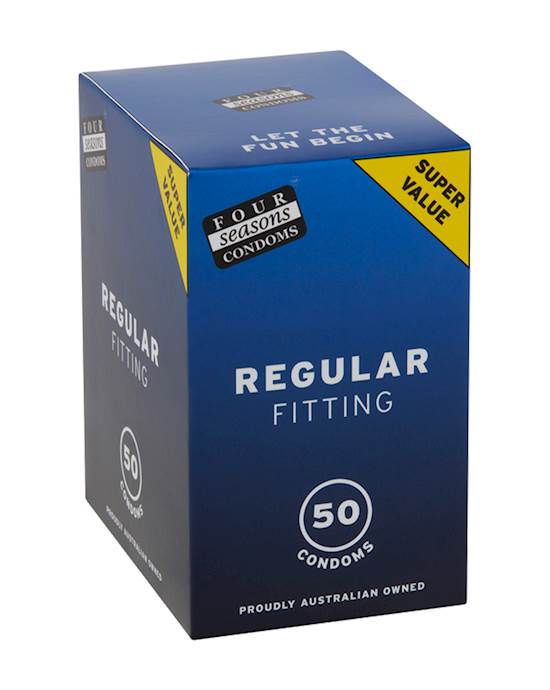
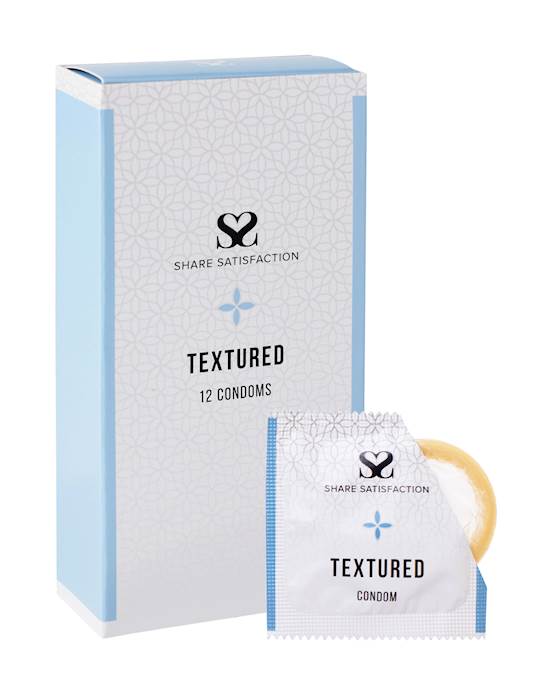
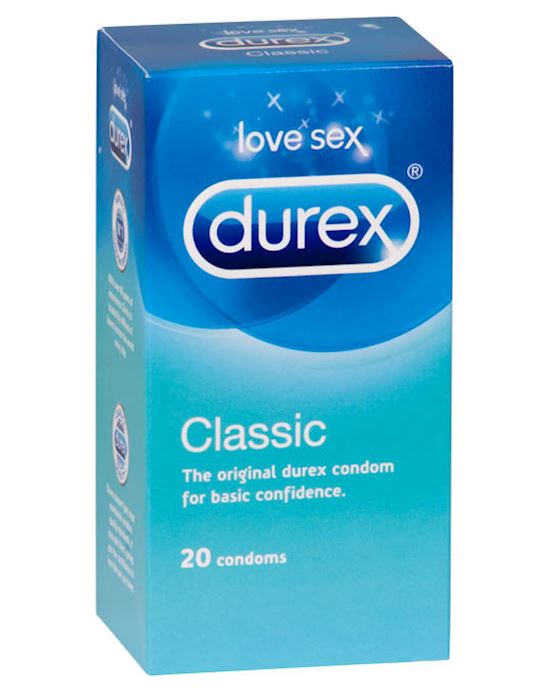
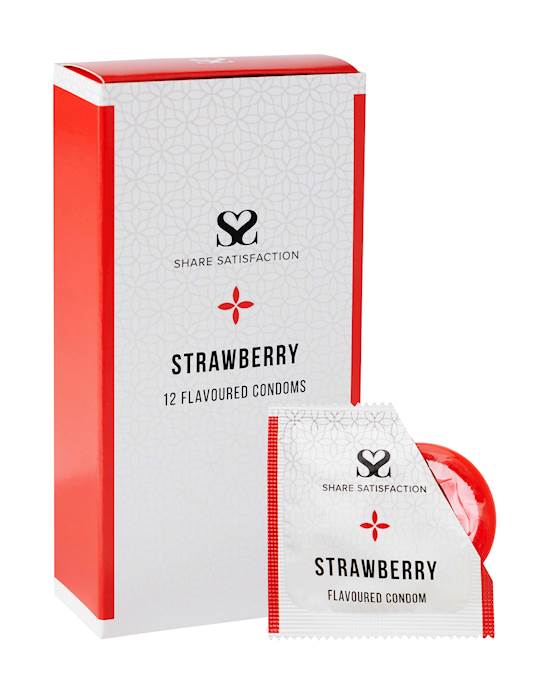
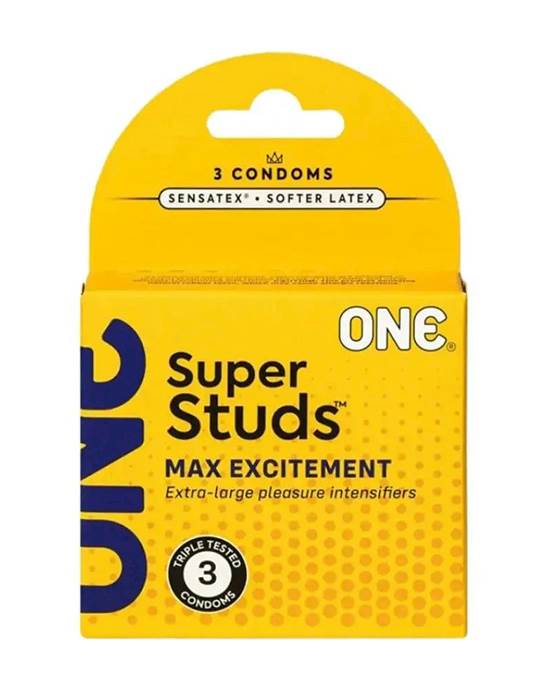
It's also essential when using condoms to prevent tears in the condom material and to keep things moving comfortably and pleasurably for everyone involved. Condom effectiveness is impacted by lubrication, so for the protection to work to its fullest potential, there needs to be adequate lubrication – which even pre-lubricated condoms don't always provide.
Alternatively, it’s important to note that not all lubricants are condom compatible. The use of oil-based lubes or coconut oil in sex can degrade latex condoms, rendering them ineffective.
If you want to use oil-based lubricant – avoid using latex and polyisoprene condoms and search for alternatives like polyurethane.
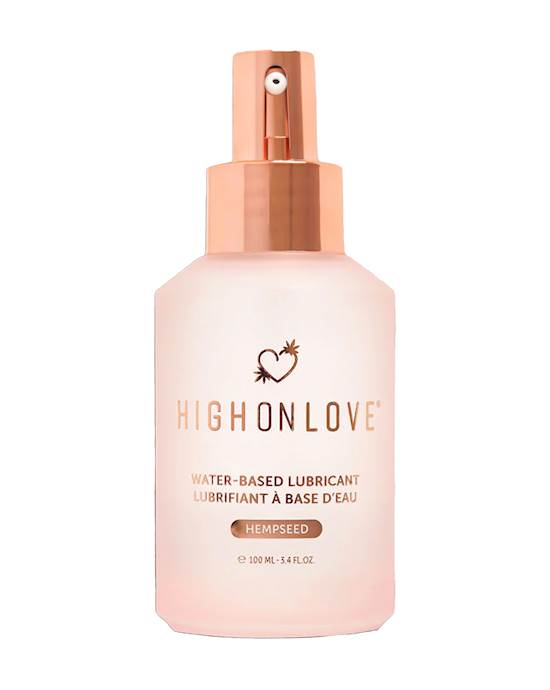
On the other hand, water-based lubricant is safe to use with any condom type, and silicone lubricant works incredibly well with latex condoms to keep things gliding nicely.
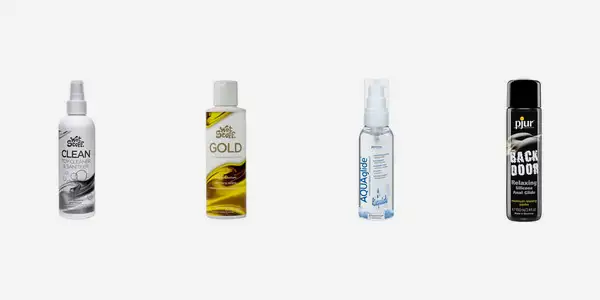
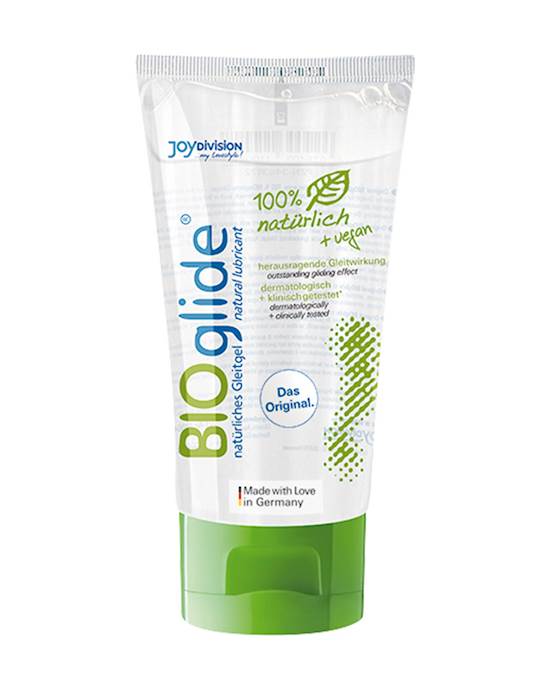
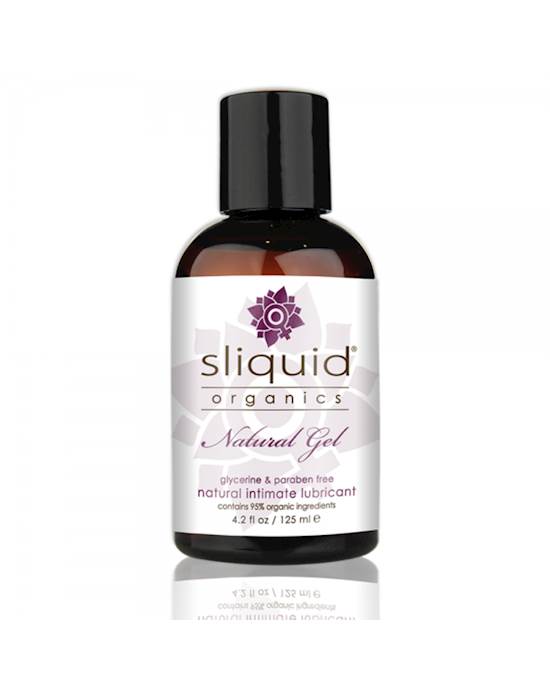
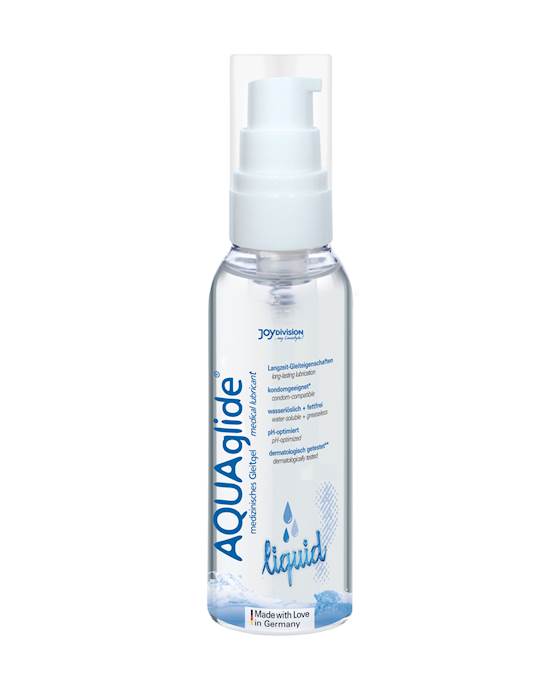
Adulttoymegastore has a huge range of lubricants available so here are a few options to get you started.
Water-based Lubricants
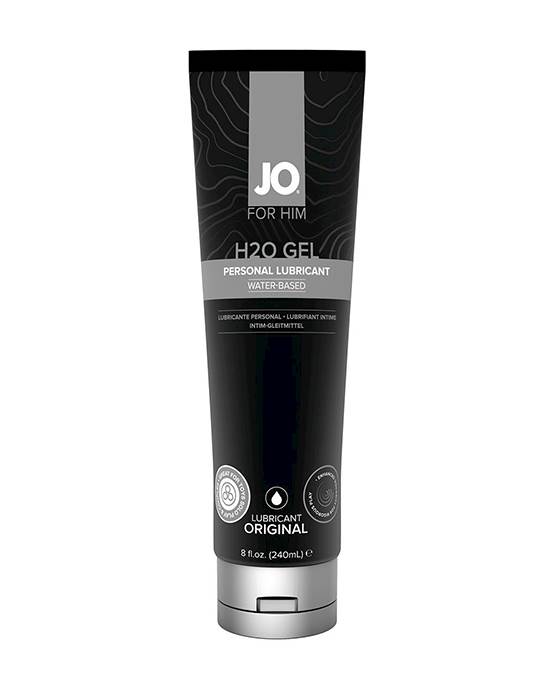
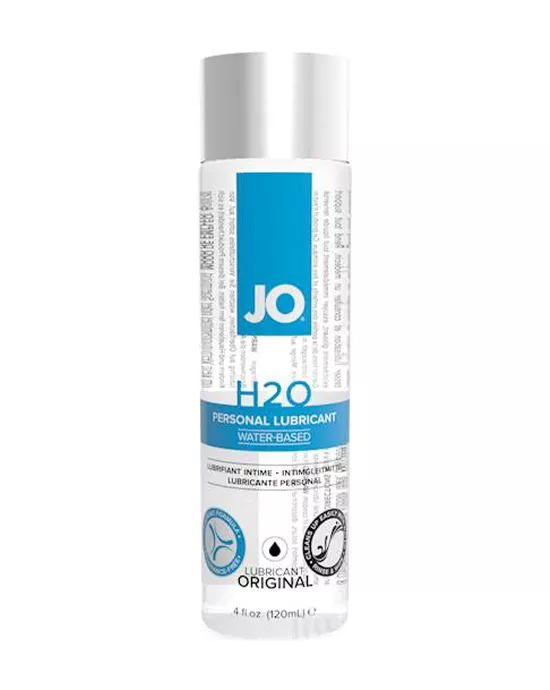 System Jo H2o Lubricant 120 Ml$24.95Shop Now
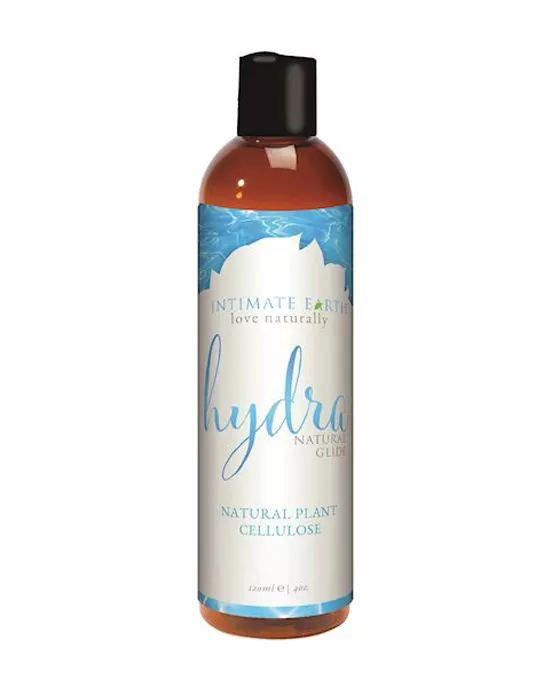 Intimate Earth Hydra Natural Glide 240 Ml$32.95Shop Now
Silicone Lubricants
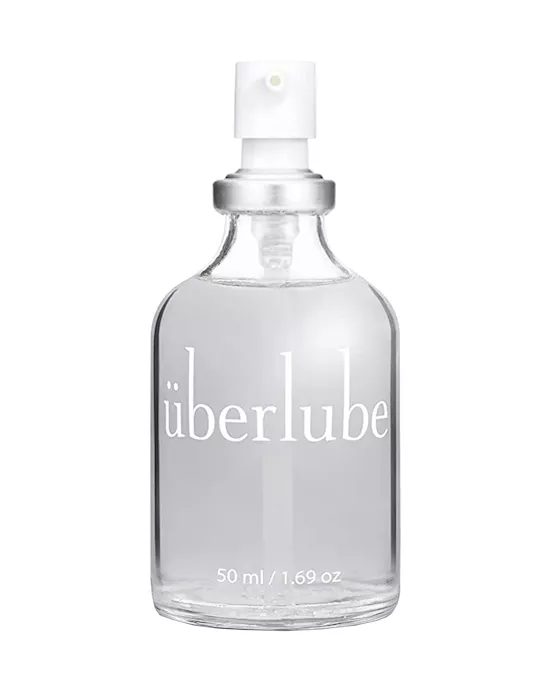 Uberlube Luxury Lubricant$34.95Shop Now
 Eros Classic Silicone Bodyglide $271.95Shop Now
Oil-based Lubricant
 Luvloob Lets Make Magic Oil-based Lubricant$29.95Shop Now
Hybrid Lubricant
 Pussy Willow Hybrid Lubricant 60ml$39.95Shop Now
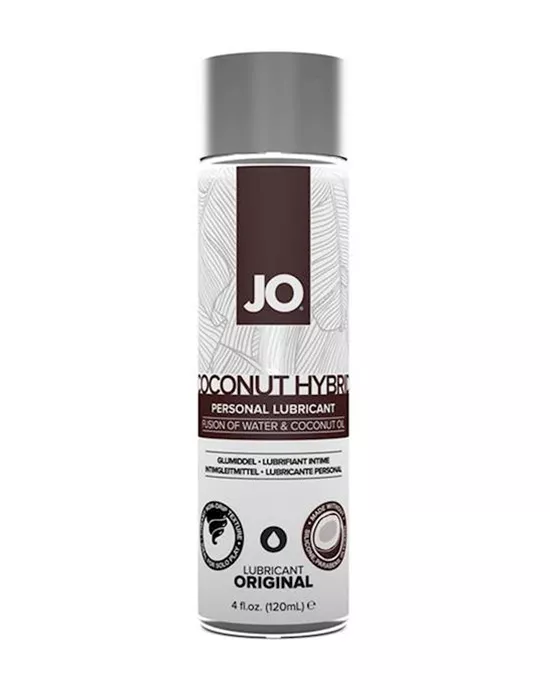 System Jo Hybrid Lubricant 120 Ml$49.95Shop Now
5. Focus on the pleasure
Finally, and most importantly, sexual play of any kind should be pleasurable and fun!
The World Health Organisation includes pleasure in their definition of sexual health, because that’s what it’s all about – enjoying sensations in our bodies and the sense of intimacy that comes through sexual activity with ourselves or with a partner.
Rather than going through the motions for a quick orgasm, slow down and focus on your senses – what sounds, smells, sensations and types of touch feel good to you? What could you do to make it feel even better or to encourage that sensation to last longer?
It’s all about taking a mindful approach to your pleasure that includes slowing down from time to time and exploring more parts of your body than just the pleasure hotspots you usually go to when you masturbate.
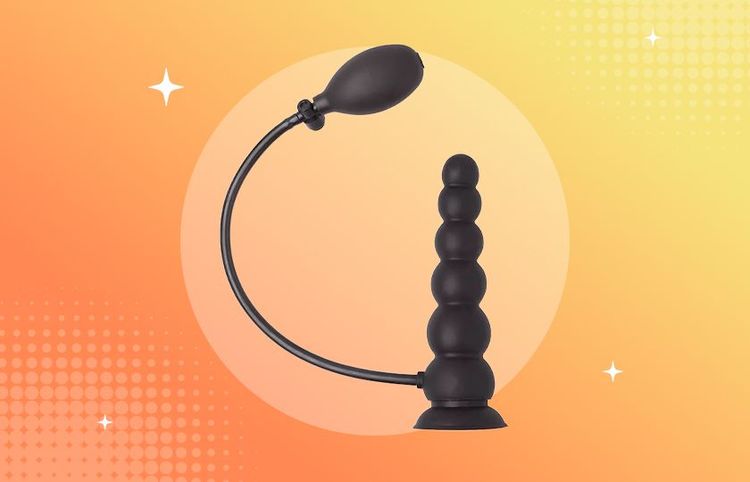
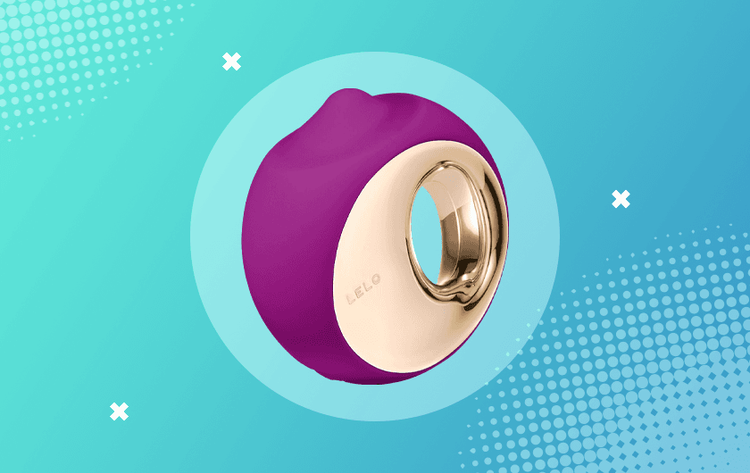
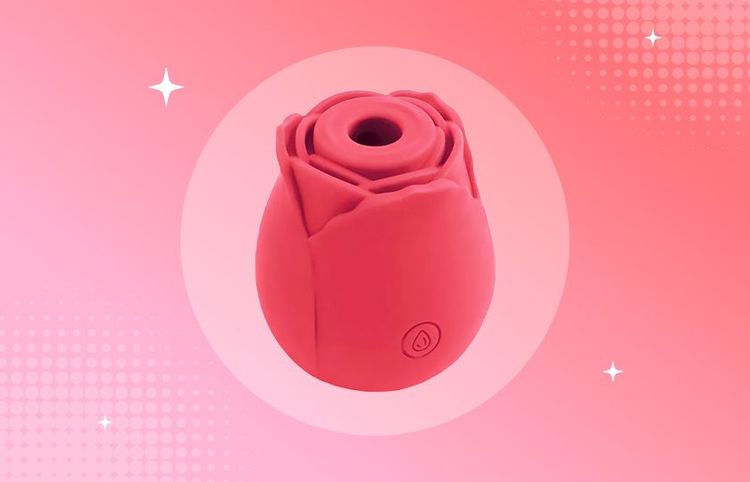
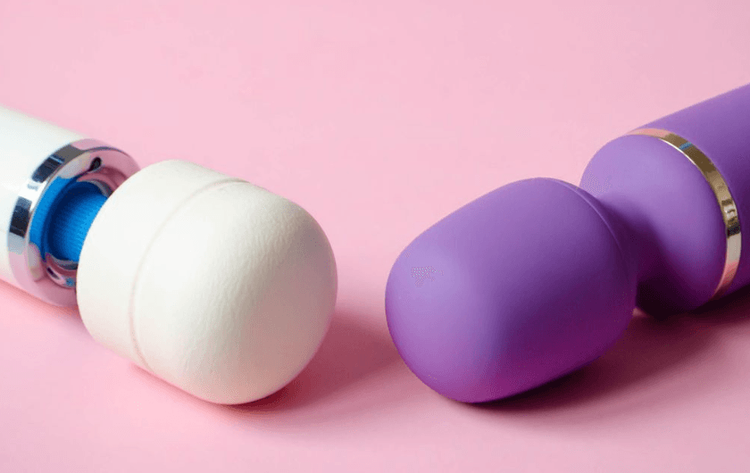
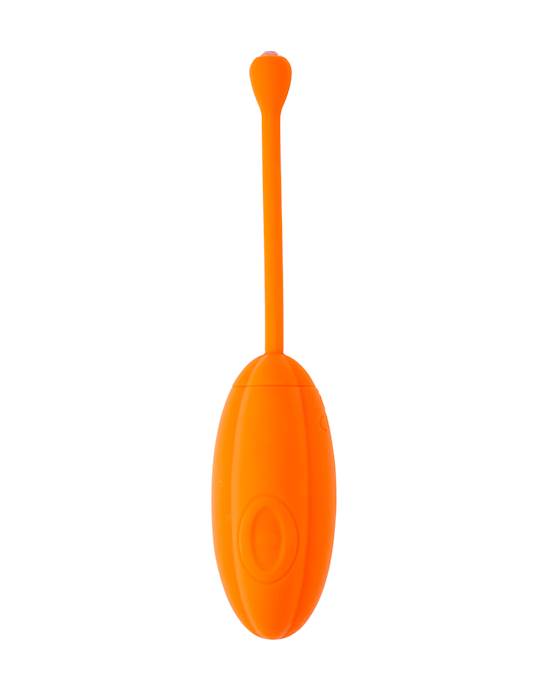
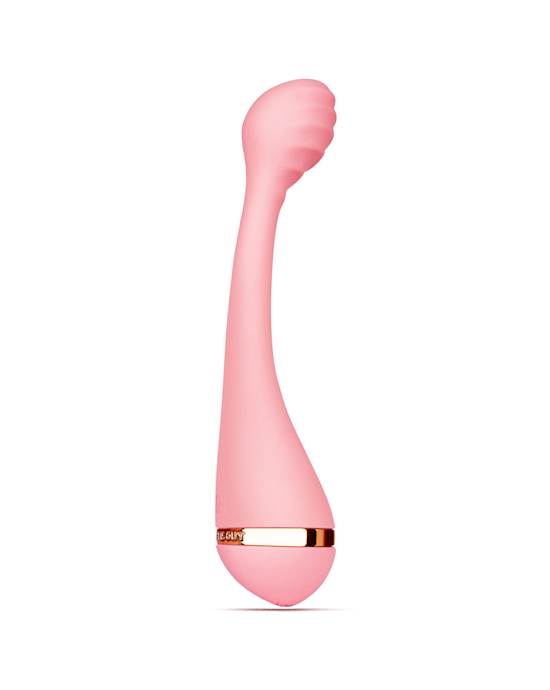
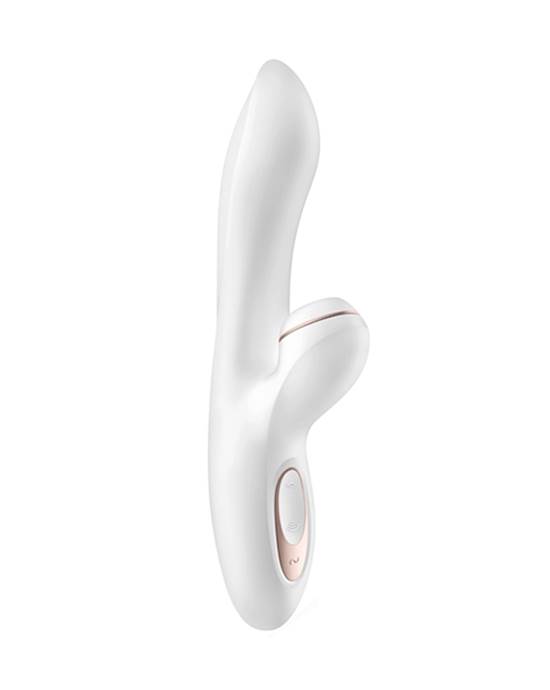
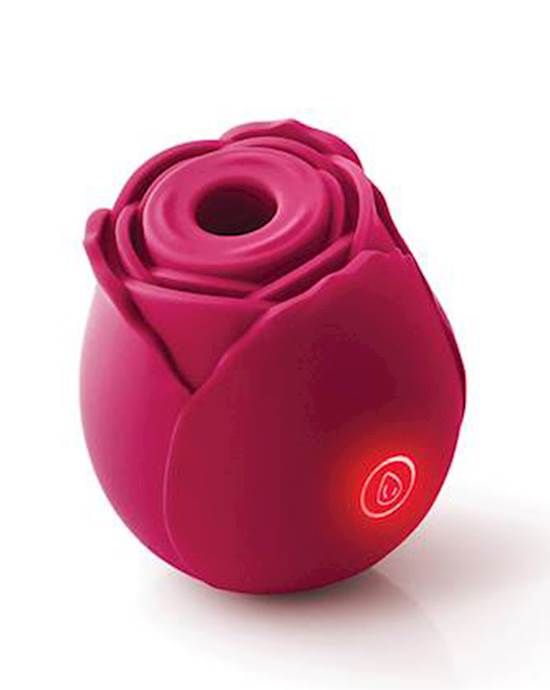
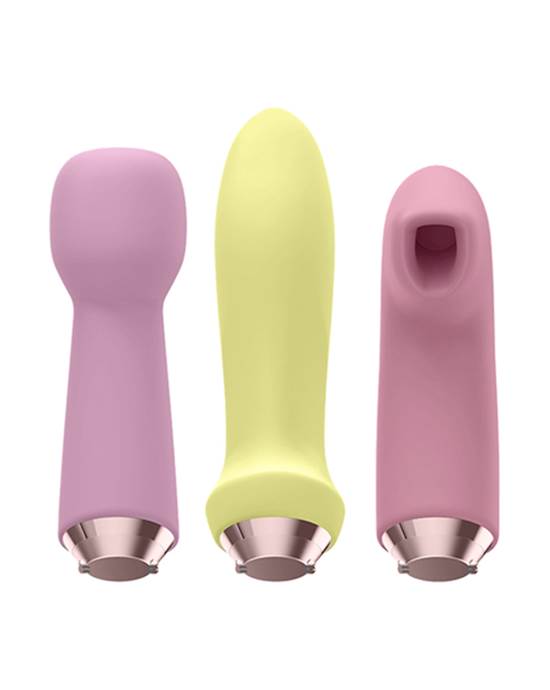
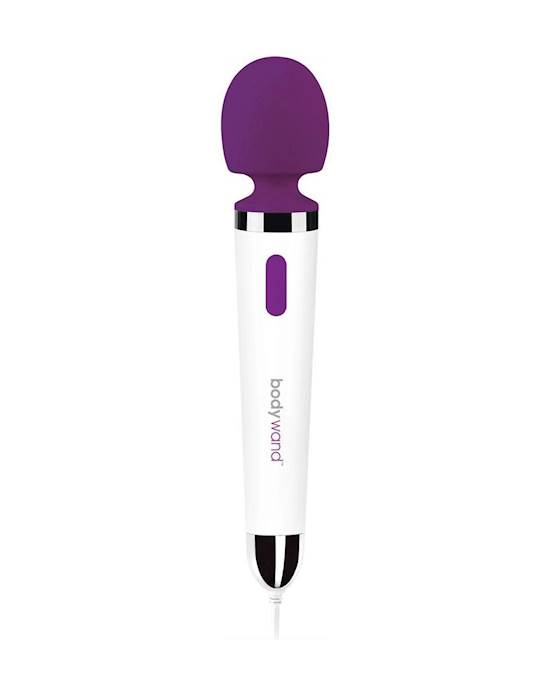
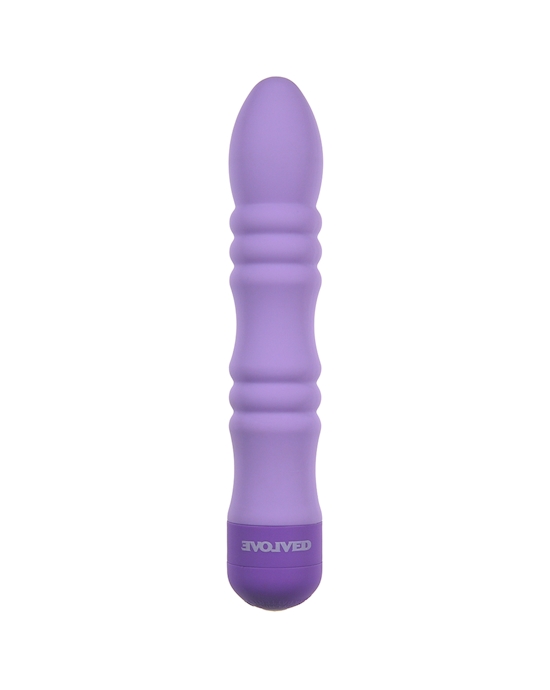
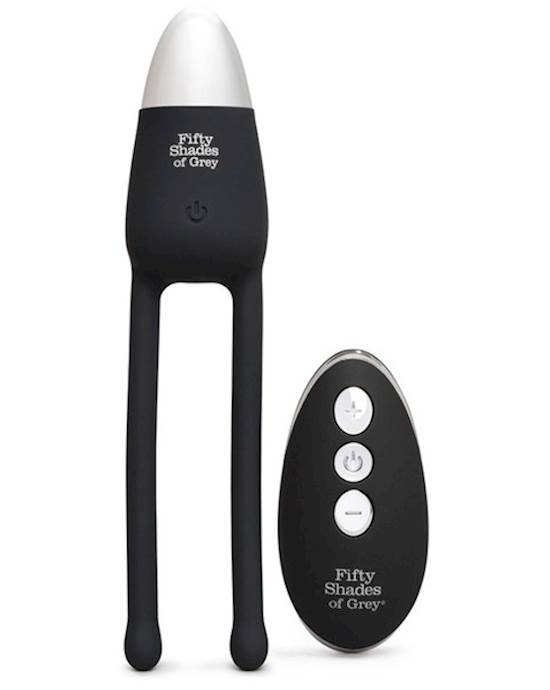
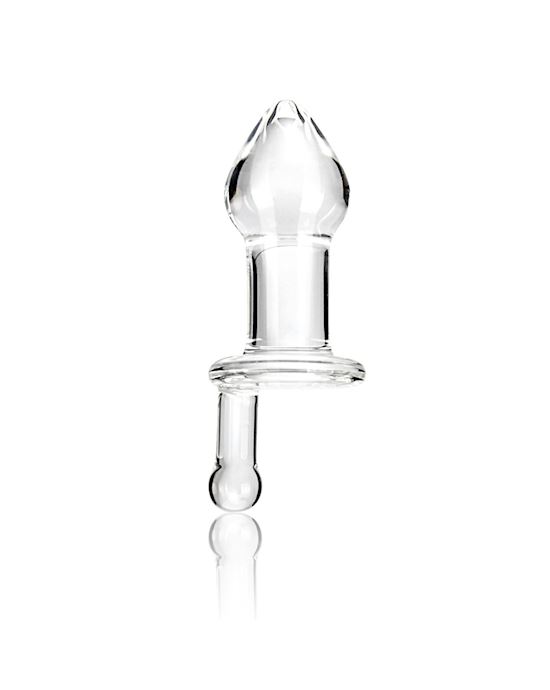
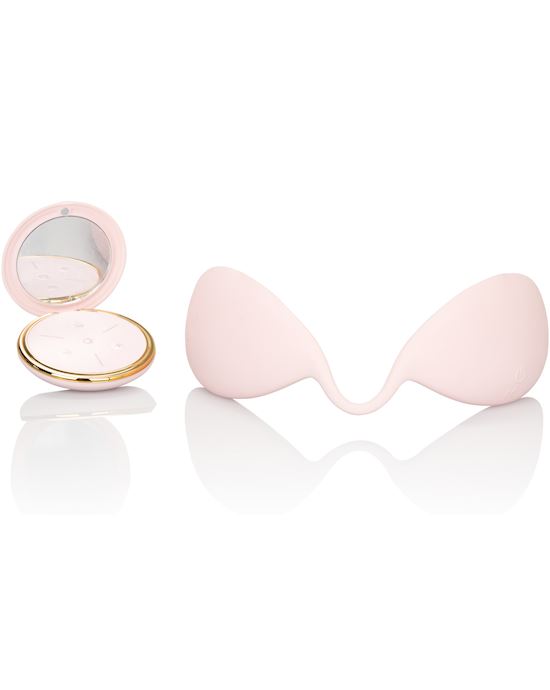
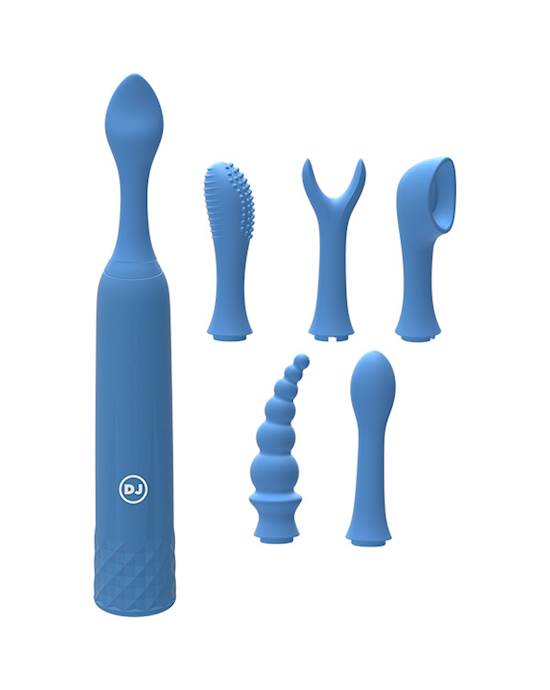
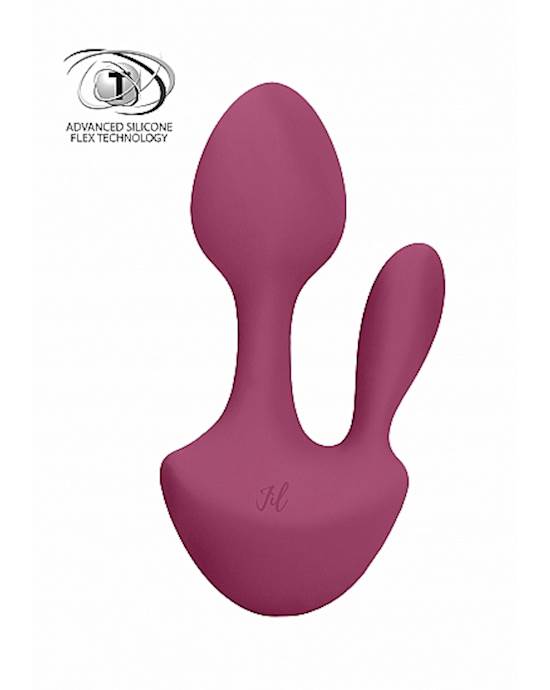
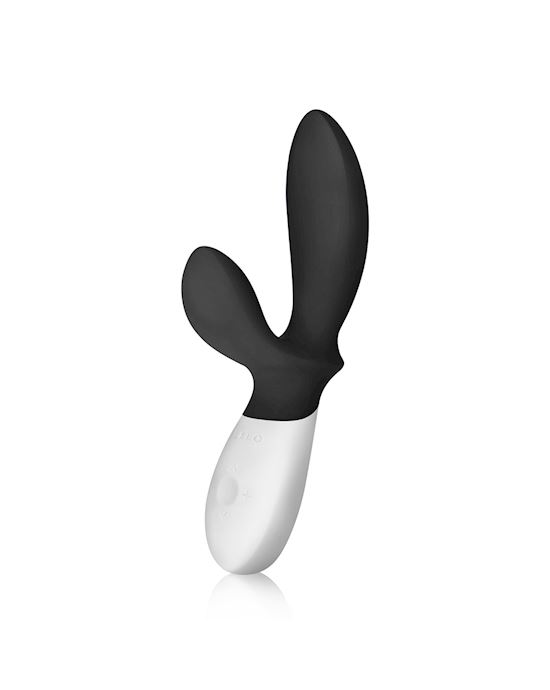
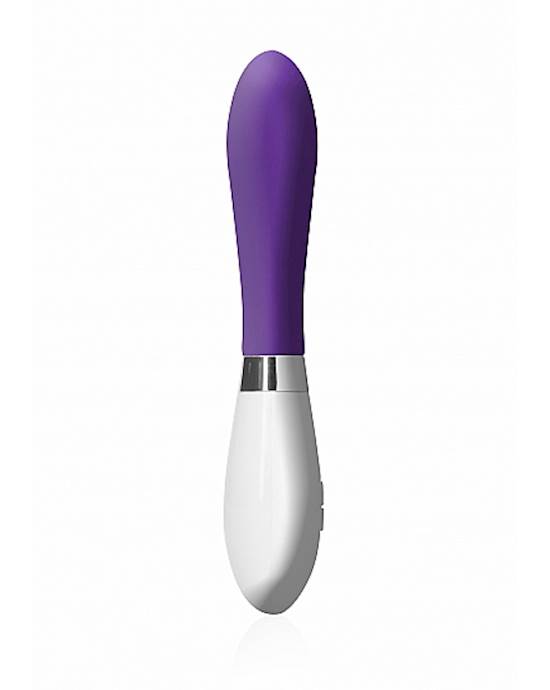
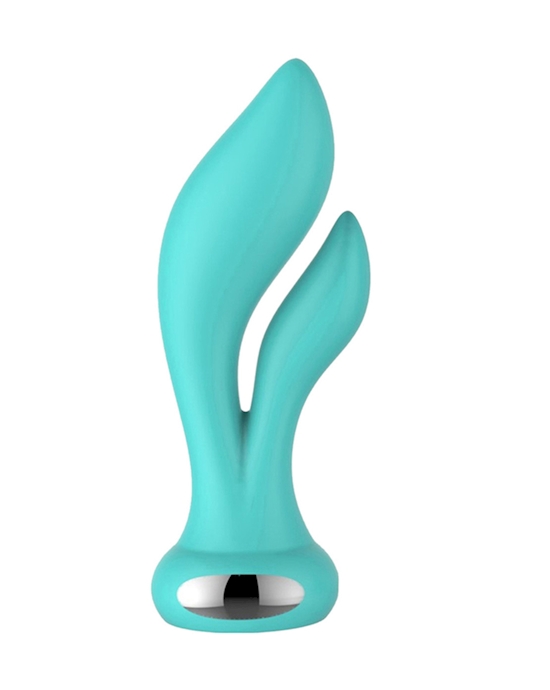
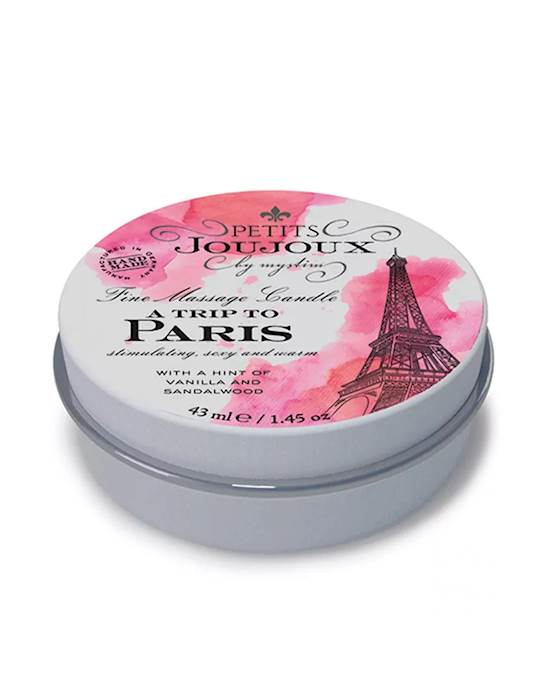
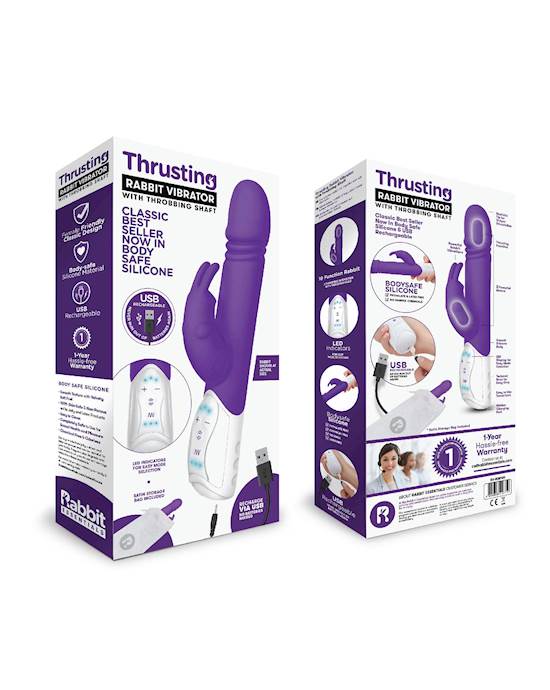
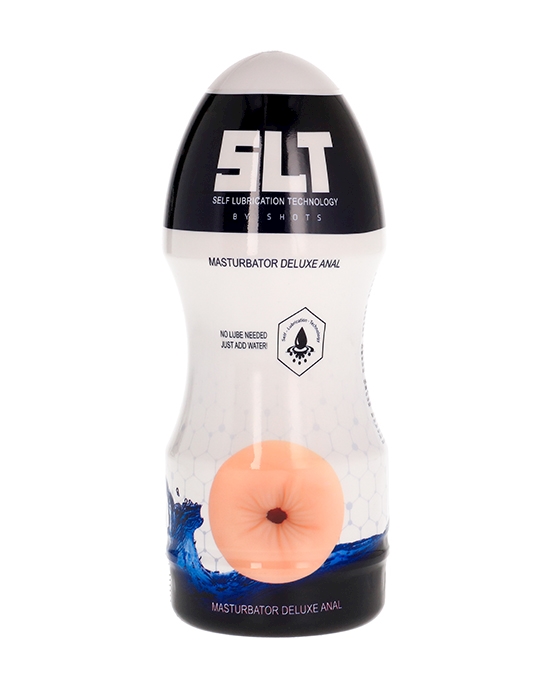
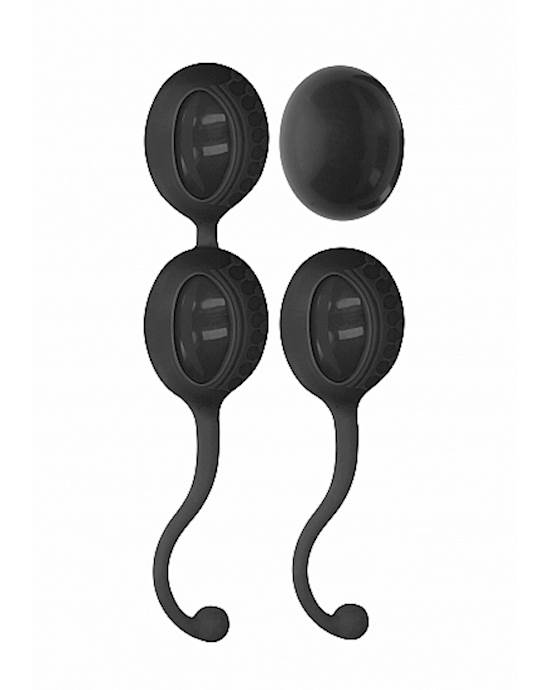
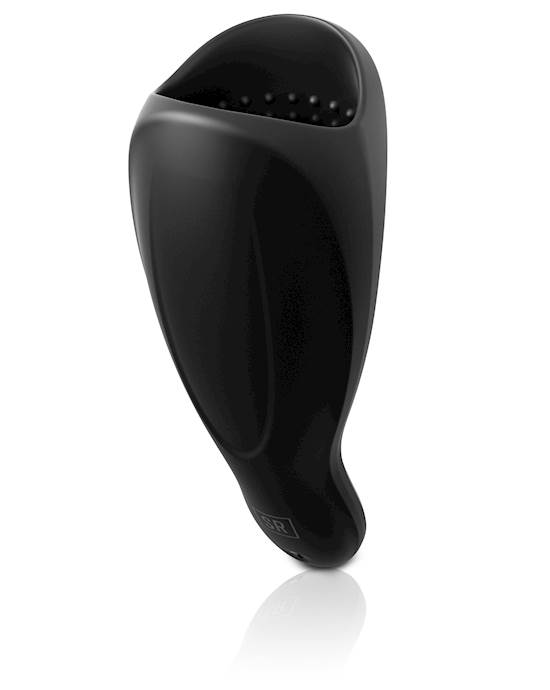
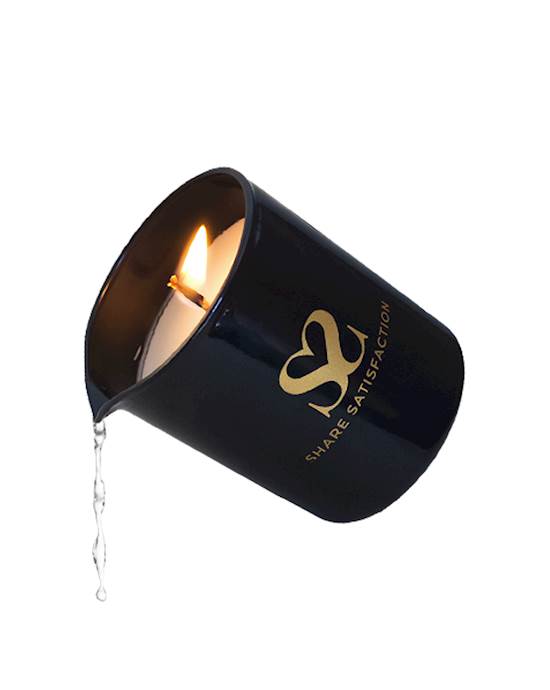
Whether that be anything from a massage to experimenting with sex toys, it’s really important to indulge in loving your way: whatever that may be.
Check out our article: Mindful masturbation as self-care? It’s a yes from me! Here’s how to do it.
When things get busy, it’s easy to let our sexual wellness take a backseat to other forms of wellness like our emotional or physical wellness. But taking a moment every day to think about how you are feeling sexually, how your body feels and how you can incorporate a little more pleasure into your day can make all the difference in your overall sexual wellness.
Read more about sexual wellness